


The Quick Version
- Black run clubs, hiking crews and cycling groups welcome beginners, and most list local chapters online so you can join a meetup this week.
- The CDC recommends 150 minutes of moderate activity a week, like brisk walking, or 75 minutes of vigorous activity, like running.
- Fall 2026 dates include The Race in East Point, Georgia, on October 3 and the Black Men Run national meet at the Charlotte Marathon on November 14.
- New runners should start with run and walk intervals at a pace where they can still talk.
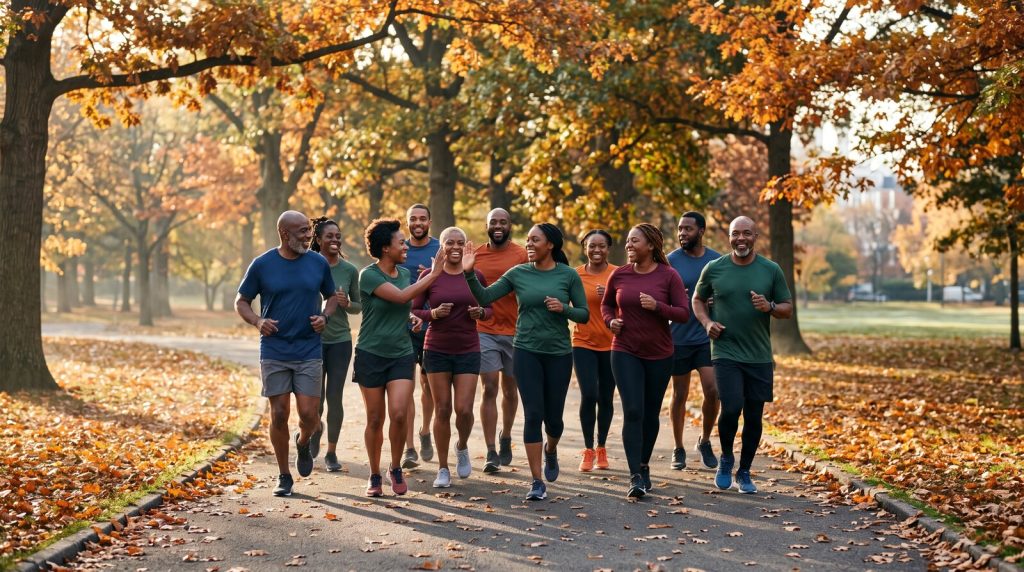
Saturday mornings look different now. In parks, on waterfronts, and along city trails, crews of Black runners, hikers, and cyclists are showing up in matching shirts, cheering each other through the last mile and then heading to brunch together. Black run clubs and outdoor groups are having a moment, and the best part is that anyone can join. Here is why the movement is growing, what it does for your health, and how to find your crew this fall.
Why Black Run Clubs Are Booming
Group fitness is surging everywhere. Strava, the fitness tracking app, reported a 59% increase in running club participation worldwide in 2024, and 58% of people it surveyed said they had made new friends through fitness groups. The trend kept building. In its 2025 Year in Sport report, Strava said new running clubs grew 3.5 times, hiking clubs grew 5.8 times, and club-organized events rose 1.5 times over the year before.
Black-led groups were built for exactly this kind of connection long before it was trendy. Black Girls RUN! was created by Toni Carey and Ashley Hicks, who, as REI reported, set out “to help tackle the growing obesity epidemic in the African-American community, and to provide support to new and veteran runners.” In Atlanta, Jason Russell noticed how few Black men were running distance races around the city, and how the few he saw did not seem to know each other. He and Edward Walton launched Black Men Run to give Black men a place to train and build fellowship, a “Healthy Brotherhood.”
The appeal goes beyond miles. These groups offer safety in numbers, accountability, and a community where nobody has to explain themselves. For many members, the run is the excuse and the family is the reason they keep coming back.
The Health Upside
The CDC’s physical activity guidelines say adults need 150 minutes a week of moderate activity, such as brisk walking, or 75 minutes of vigorous activity, such as jogging or running, plus muscle-strengthening activities on 2 or more days a week. That is just 30 minutes a day, five days a week.
The American Heart Association links regular physical activity to lower risk of heart disease, stroke, type 2 diabetes, high blood pressure, dementia, and some cancers, along with better sleep, less depression and anxiety, and better quality of life. The AHA also stresses that people who are starting from zero get meaningful benefits from even modest amounts. That matters for Black adults, who face high rates of hypertension; our explainer on the new blood pressure guidelines breaks down what to know.
Groups to Know and How to Join
Running
- Black Girls RUN! Its mission is to encourage and motivate Black women to practice a healthy lifestyle. Its website lists local communities you can join, plus national meetups.
- Black Men Run. The group lists more than 50 chapters, including international chapters in London, Paris, and Okinawa. Search the chapter directory to find one near you. The group says it welcomes a wide range of abilities.
Hiking and the great outdoors
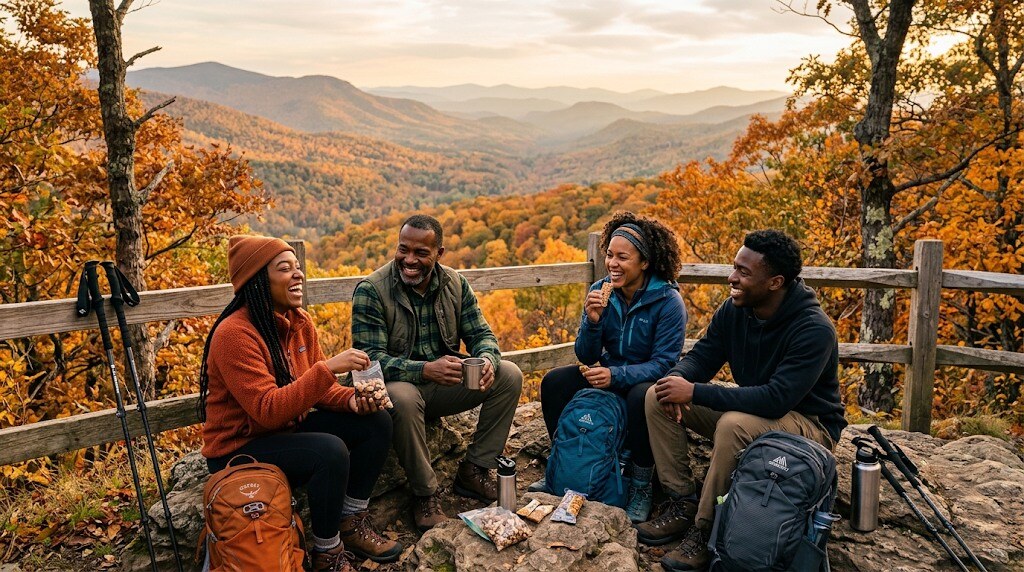
- Outdoor Afro. Founded by Rue Mapp in 2009, Outdoor Afro has more than 100 trained volunteer leaders, local networks in 32 states including Washington, D.C., and a participation network of 60,000. Its website and app list guided trips near you, and it also offers free swim lessons through its Making Waves program.
- Black Girls Hike. Local groups under this name organize hikes for women of color. In Richmond, two educators, Shara and Nicole, founded Black Girls Hike RVA, which has grown fast by building community and joy on the trail. Search your city name plus “Black Girls Hike” to find a group near you.
- Black People Who Hike. This community connects hikers through Instagram and Facebook, and a new website is on the way.
Cycling
- Black Girls Do Bike. Black Girls Do Bike grows and supports “a community of women/girls of color who share a passion for cycling.” Join a local chapter, sign a ride waiver, and hop on a group ride. The group celebrated its 10-year anniversary in 2023.
Not ready to run? Walking counts. Our story on community walking groups shows how neighbors are turning daily walks into public health.
Fall 2026 Events to Put on Your Calendar
- The Race, October 3, East Point, Georgia. Now in its ninth year, The Race is “created for the culture and powered by the community.” It offers a 5K and a half marathon, plus virtual versions. At press time, the in-person 5K was $55 and the half marathon was $110, with limited spots left.
- Black Girls RUN! National Meetup at the Good Life Halfsy, November 8, Nebraska. Black Girls RUN! lists this half marathon on its events page as a national meetup.
- Black Men Run 2026 National Meet, November 14, Charlotte, North Carolina. Black Men Run’s national meet is set for the Charlotte Marathon weekend, which offers a marathon, half marathon, and 5K. The group asks runners to join the Black Men Run team when they register.
Beginner Tips for Your First Group Run
- Start with run and walk intervals. Try one minute of jogging and two minutes of walking, repeated for 20 to 30 minutes. Build from there.
- Look for a “no one left behind” group. Many clubs have a sweeper who stays with the last runner. Ask before you show up.
- Get the right shoes. A running store fitting is worth it. Everything else can wait.
- Go at conversation pace. If you can’t talk, slow down. Most beginners run too fast.
- Talk to your doctor first if you have heart disease, high blood pressure, diabetes, or have been inactive for a long time.
- Stay visible as the days get shorter. Fall mornings and evenings get dark, so wear reflective gear or a small light.
Find Your Crew This Week
You do not have to be fast. You just have to show up. Pick one group from this list, find the chapter closest to you, and put the next meetup on your calendar. Then tag the friend who has been saying “we should start running” and bring them along. Fall is the best season to lace up, and your crew is out there waiting.