
The Quick Version
- Community walking groups like GirlTrek have grown into one of the largest public health movements for Black women, using regular outdoor walking to address chronic disease risk.
- You do not need a gym membership or special equipment to benefit. Thirty minutes of brisk walking most days is enough to meaningfully lower risk for heart disease, diabetes, and stroke.
Across the country, groups of Black women, and increasingly entire families and neighborhoods, are lacing up sneakers and meeting on sidewalks, trails, and tracks before work, after church, or on Saturday mornings. What started as informal walking groups has grown into a genuine public health movement, built around a simple, low cost, and remarkably effective tool: walking.
A Movement Built Around a Simple Idea
Organizations like GirlTrek, which reports mobilizing hundreds of thousands of Black women nationwide, have turned walking into an organized health intervention. The idea is straightforward. Regular walking, done consistently, measurably lowers risk for the chronic conditions that disproportionately affect Black communities, including heart disease, type 2 diabetes, high blood pressure, and stroke. Unlike a gym membership or specialized equipment, walking requires almost nothing to start, which makes it one of the most accessible health interventions available.
Why Walking Works
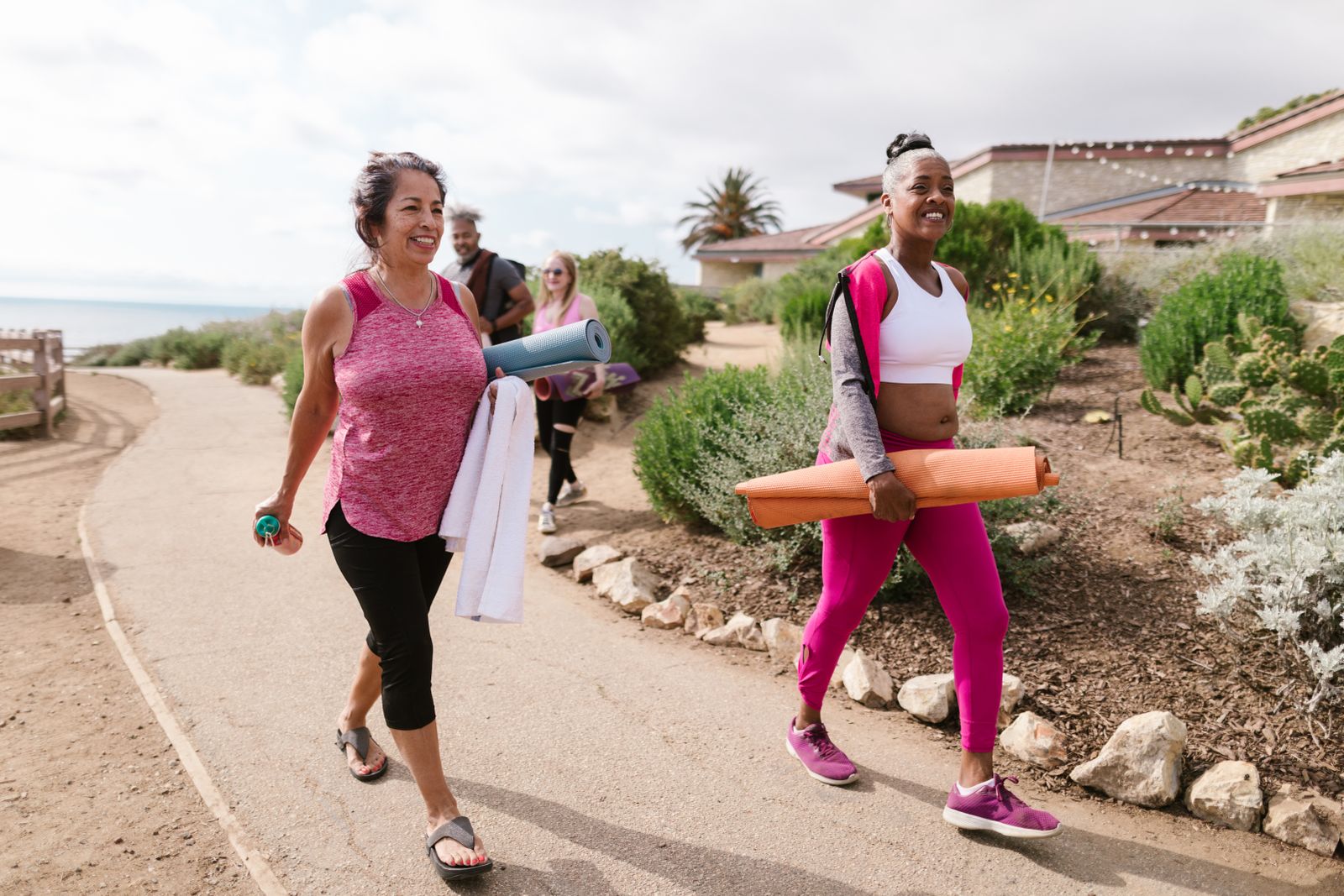
The Centers for Disease Control and Prevention recommends adults get at least 150 minutes of moderate intensity activity a week, and brisk walking easily counts. Research has repeatedly linked regular walking to lower blood pressure, improved cholesterol, better blood sugar control, reduced risk of stroke, and meaningful improvements in mental health, including lower rates of anxiety and depression. For many people managing prediabetes, walking after meals has also been shown to blunt blood sugar spikes.
The group format adds something a solo walk does not always provide: accountability and community. Public health researchers have found that people are more likely to stick with a new physical activity habit when they do it alongside others, and walking groups also create space for social connection, something increasingly recognized as its own protective factor against chronic disease and early death.
How to Start or Join a Walking Group
Look for What Already Exists
Many cities already have walking groups connected to churches, sororities and fraternities, community centers, or national organizations like GirlTrek, which offers free resources and a national network for anyone wanting to start a local crew. Local hospitals and public health departments sometimes sponsor walking programs as well, particularly ones aimed at managing diabetes or high blood pressure.
Start Small and Build
You do not need to walk for an hour on day one. Fifteen to twenty minutes of brisk walking, most days of the week, is a reasonable starting point that still delivers real health benefits. Gradually increasing distance or pace over several weeks is safer and more sustainable than starting too aggressively and burning out.
Make It Easy to Show Up
Set a consistent time and place, invite a friend or neighbor, and treat it like any other appointment. Comfortable, supportive shoes matter more than any special gear, and a walking group does not need more than a meeting spot and a route to get started.
Talk to Your Doctor If You Are Starting From a Health Concern
Walking is considered safe for most people, but if you have a heart condition, joint problems, or another chronic illness, talk to your doctor before starting a new exercise routine so they can help you set a safe pace and intensity. For most healthy adults, walking is one of the lowest risk ways to become more active.
Community walking groups will not replace medical care or reverse every chronic disease on their own. But as a free, accessible, and social way to build a healthier daily routine, they have become one of the more effective public health tools available, one that entire neighborhoods can build together, one walk at a time.