
The Quick Version
- The Black History Museum and Cultural Center of Virginia in Richmond is marking 45 years while serving as an official VA250 Commemorative Partner ahead of America’s 250th anniversary.
- Its Jackson Ward galleries hold the stories of NASCAR pioneer Wendell Scott, civil rights attorney Oliver Hill, and the Richmond 34 student protesters.
- The museum is open Wednesday through Saturday, with admission as low as 6 dollars for children and free entry for kids under 4.
- Readers get a full visiting guide, plus context on why a Black history museum’s anniversary matters during a national commemoration built around a very different starting point.
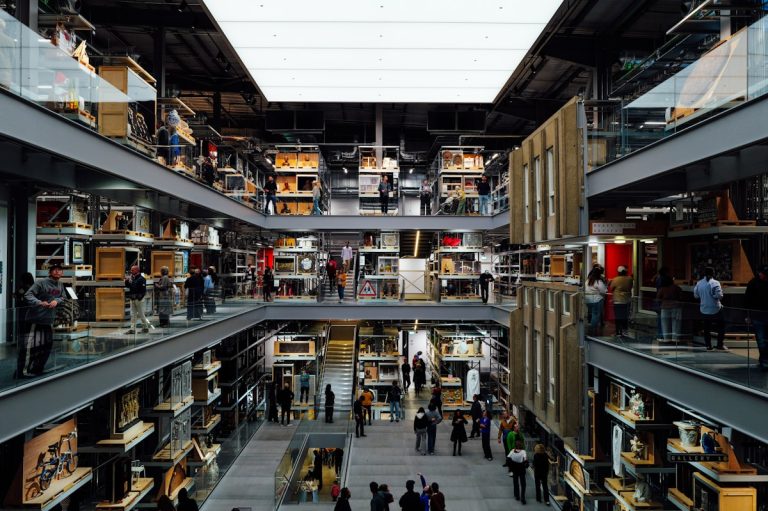
Richmond’s Black History Museum and Cultural Center of Virginia is having a milestone year. The institution, housed in a converted school building in Jackson Ward, is celebrating 45 years of preserving African American history across the state, and it is doing so as an official VA250 Commemorative Partner in the run up to America’s 250th anniversary. For a museum built specifically to tell the stories that got left out of the official record the first time around, that pairing means something.
A 45 Year Milestone Meets a National Anniversary
The Black History Museum opened its doors in 1981, decades before most state institutions treated Black Virginia history as a subject worthy of its own dedicated space. Since then it has grown into one of the most substantial archives of African American life in the Commonwealth, and its 45th year happens to land right alongside the nationwide push to commemorate 250 years of American history. Being named a VA250 Commemorative Partner puts the museum in the room for that larger conversation, which matters, because heritage tourism tied to America’s 250th is expected to draw serious attention and travel dollars to historic sites across Virginia over the next year.
The museum’s own leadership has been vocal about what that means in practice. Executive Director Shakia Gullette has spoken about the institution’s responsibility to keep expanding public access to this history rather than treating 45 years as a finish line, and that framing shapes how the museum is using its anniversary: not as a victory lap, but as a moment to bring more Virginians and visitors through the door.
What’s on View in Jackson Ward
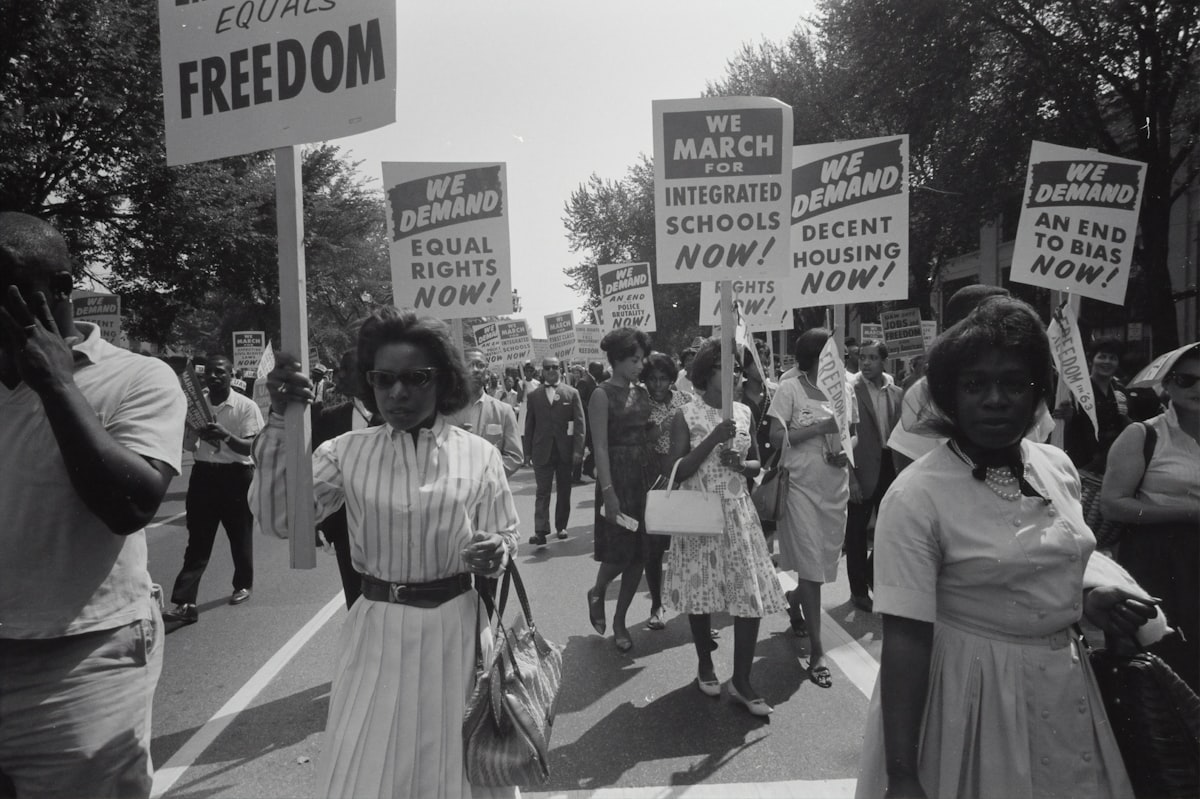
The museum sits in a neighborhood that earned the nickname the Harlem of the South, home to Black owned banks, theaters, and insurance companies that made Jackson Ward one of the most economically significant Black communities in the country in the early twentieth century. The permanent collection reflects that legacy directly, with a Black History Timeline that traces Virginia’s African American history from the colonial period forward and rotating exhibitions that connect that past to present day Richmond.
Wendell Scott, Oliver Hill, and the Richmond 34
Three names anchor much of the museum’s storytelling. Wendell Scott, the first Black driver to win a NASCAR Grand National race, gets a dedicated display that places Richmond within the larger, often overlooked story of Black motorsports. Oliver Hill, the civil rights attorney whose legal work helped dismantle school segregation in Virginia, is honored for a career that shaped case law well beyond the state. And the Richmond 34, the group of Virginia Union University students arrested in 1960 for sitting in at a segregated lunch counter downtown, represent the kind of grassroots organizing that rarely makes it into standard textbooks. Seeing all three within the same set of galleries gives visitors a fuller picture of how sports, law, and direct action fed the same larger movement.
Why This Matters as America Marks 250 Years
National commemorations have a track record of smoothing over complicated history in favor of a tidier story. A museum like this one exists precisely to push back on that impulse. The Black History Museum also maintains an ongoing initiative documenting places of history and memory linked to enslavement and the slave trade, a project that puts hard geography and named sites behind history that is too often discussed only in the abstract. As America250 programming rolls out across the state through next year, that kind of grounded, site specific work gives travelers a way to engage with the anniversary that goes beyond fireworks and flag waving.
It is also a chance for readers outside Virginia to think about what is happening in their own states. Most regions have a comparable institution, often smaller and less funded than it should be, doing similar work. Supporting one directly, whether through a visit, a membership, or simply sharing what you learn there, is a concrete way to participate in a more complete version of the country’s anniversary.
Plan Your Visit
The museum is located at 122 West Leigh Street in Richmond and is open Wednesday through Saturday from 10 a.m. to 5 p.m., closed Sunday through Tuesday and on holidays. Admission runs 10 dollars for adults, 8 dollars for seniors and students, and 6 dollars for children ages 4 to 12, with kids under 4 admitted free and a 10 percent discount for military visitors. Full details on current exhibitions, hours, and the museum’s America250 programming are available on the Black History Museum and Cultural Center of Virginia’s website. If a Richmond trip is not in the cards soon, the same idea still applies wherever you live: look up the Black history museum or heritage site nearest you and put a visit on the calendar this year.