
The Quick Version
- The Savoy Ballroom opened in Harlem on March 12, 1926, and 2026 marks 100 years since a segregated era nightclub scene made room for a dance floor open to everyone, Black and white, together.
- The ballroom is gone, torn down decades ago, but the Lindy Hop it helped popularize is thriving again, with active swing dance communities and classes in cities nationwide where readers can experience the legacy firsthand.
One hundred years ago this spring, a nightclub opened on Lenox Avenue in Harlem that changed American dance for good. The Savoy Ballroom, which welcomed its first guests on March 12, 1926, was not just another music venue. At a time when most nightlife was strictly segregated, the Savoy let Black and white dancers share the same floor, and the music and movement born there went on to shape decades of American popular culture.
A Dance Floor Built for Everyone
The Savoy occupied an entire block between 140th and 141st Streets and could hold thousands of dancers at once, with two bandstands so the music never stopped between sets. In an era when most clubs enforced a strict color line, either by refusing Black patrons entirely or restricting them to certain nights, the Savoy stood out for welcoming an integrated crowd on a nightly basis. That openness, combined with a dance floor built specifically to withstand heavy nightly use, made it the epicenter of Harlem nightlife for more than three decades.
The Birthplace of the Lindy Hop
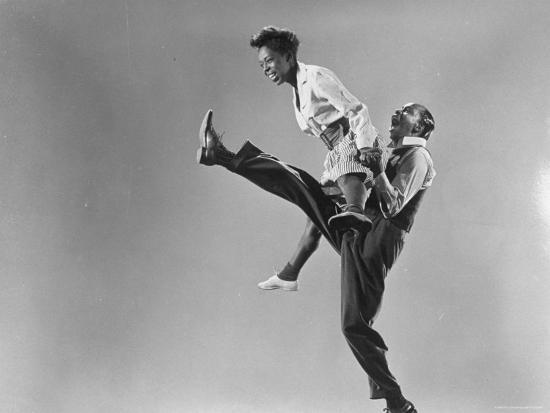
The Savoy’s house dancers did not just dance to swing music, they helped invent an entirely new style in response to it. The Lindy Hop, credited largely to dancers who developed and refined their moves on the Savoy’s floor, became the dominant partner dance of the swing era and eventually spread far beyond Harlem into mainstream American culture. The ballroom’s house band, led for years by drummer and bandleader Chick Webb, helped define the sound that dancers were responding to, and Webb’s own band famously held its own against visiting big names in the ballroom’s legendary battle of the bands nights.
Why a Building That No Longer Exists Still Matters
The Savoy closed in 1958 and was demolished not long after to make way for a housing development, which means there is no physical building left to visit today. That makes the anniversary a little different from other heritage milestones. What survives is not brick and mortar but a dance vocabulary and a musical culture that reshaped how Americans move to music, regardless of background. A plaque near the original site in Harlem marks the location, but the real living memorial is the swing dance scene that still exists because of what started there.
How to Experience the Legacy Today
Lindy Hop and swing dancing never actually disappeared, and in recent years the scene has grown steadily through social dance nights, beginner classes and dedicated swing dance societies in cities across the country, from New York and Chicago to Atlanta and Los Angeles. Most of these groups welcome complete beginners and offer an introductory class before the social dancing starts, so no partner or prior experience is required to walk in the door. Searching for a local Lindy Hop or swing dance society is the simplest way to feel a direct link to what started at the Savoy a century ago. For anyone in New York this year, Harlem’s own cultural institutions are also worth checking for centennial programming tied to the anniversary, since walking the actual blocks where the ballroom once stood adds a dimension no dance class alone can replicate. Even a single beginner class is enough to feel, in your own feet, why this dance refused to stay confined to one ballroom or one generation.