
The Quick Version
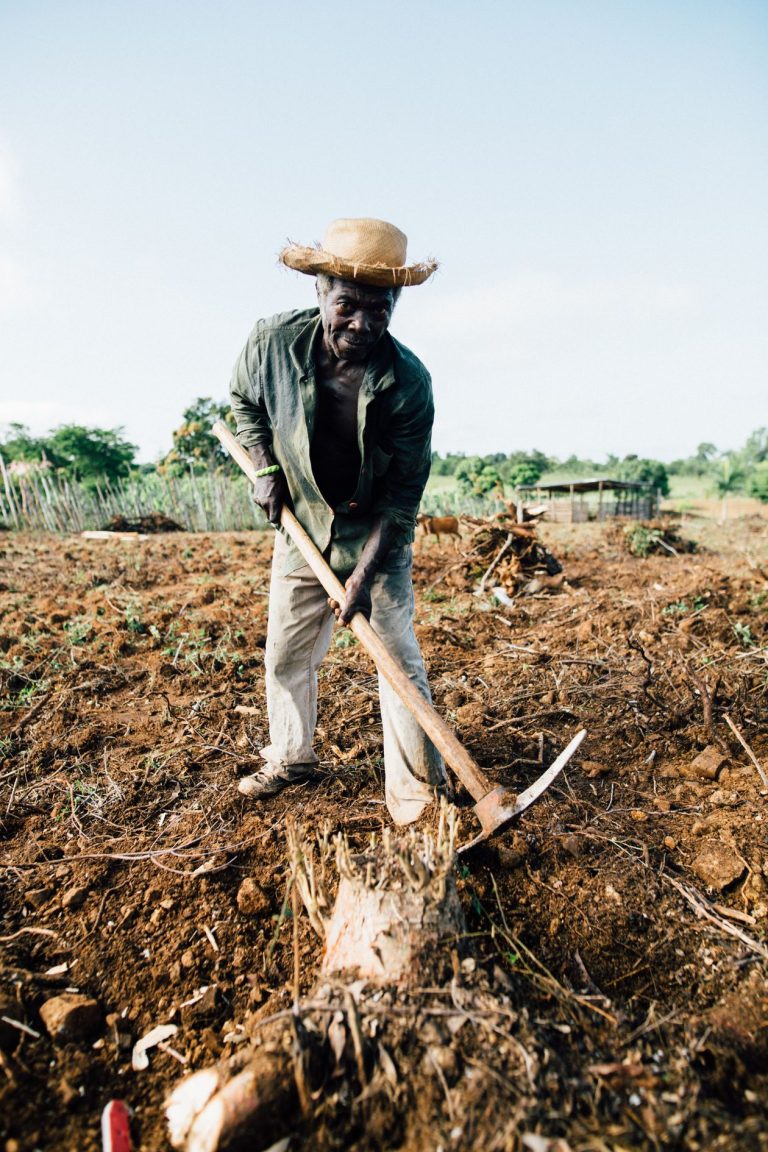
- Black farmers owned over sixteen million acres of farmland in 1910. Today that figure has fallen by more than ninety percent, even after two major discrimination settlements.
- A new federal discrimination assistance program created in 2022 has been slow to pay out, leaving many farmers still waiting years after Congress promised relief.
A Century of Documented Loss
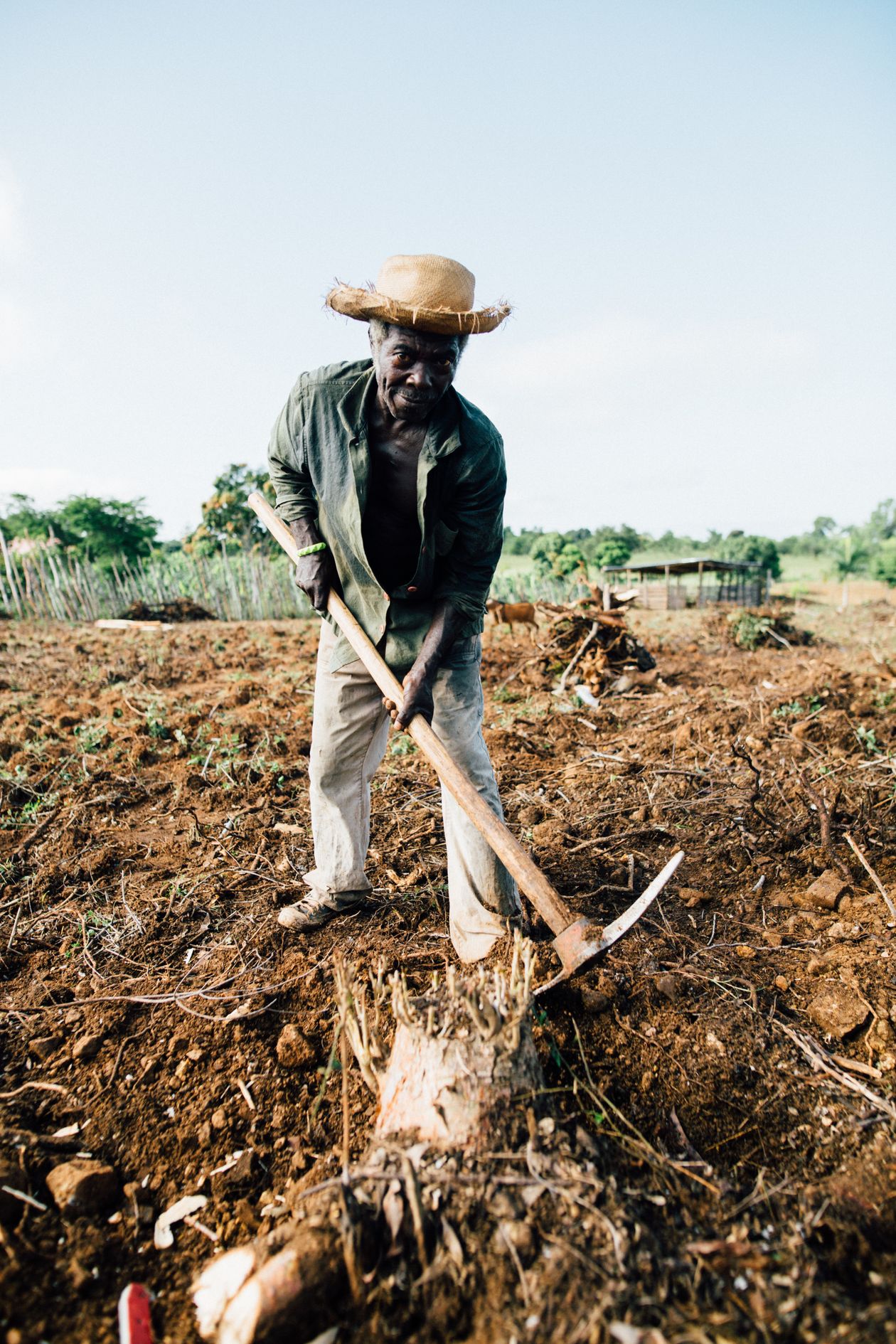
In 1910, Black farmers owned and operated more than sixteen million acres of American farmland. Today that number has collapsed by well over ninety percent, and Black farmers make up a small fraction of a percent of the nation’s agricultural landowners. This did not happen through market forces alone. Federal researchers, courts and the USDA’s own internal reviews have documented decades of discriminatory lending, delayed loan approvals and unequal access to disaster assistance that pushed Black farming families off land their families had held for generations.
Settlements That Settled Little
The federal government has admitted fault twice, in dollar terms, without truly fixing the underlying system. The 1999 Pigford v. Glickman settlement and a follow on 2010 settlement together paid out roughly two and a half billion dollars to Black farmers who proved discrimination claims against the USDA. Those payments mattered to the individual families who received them. But they arrived decades after the discriminatory decisions that caused the harm, after many affected farmers had already lost their land, retired or died waiting for their claims to process.
The 2021 Relief That Never Arrived
History nearly repeated itself. The 2021 American Rescue Plan included direct debt relief for what the law called socially disadvantaged farmers, a category that included Black farmers among others. White farmers in several states sued, arguing the program discriminated against them, and courts blocked the payments before most eligible farmers ever saw a dollar. Congress eventually replaced it with a broader, race neutral Discrimination Financial Assistance Program under the 2022 Inflation Reduction Act, worth roughly two point two billion dollars. That program has paid out real money to tens of thousands of farmers, but advocates and farmers themselves describe an application and documentation process so burdensome that many eligible claimants gave up or are still waiting on final determinations years later.
Heirs’ Property: The Quiet Land Thief
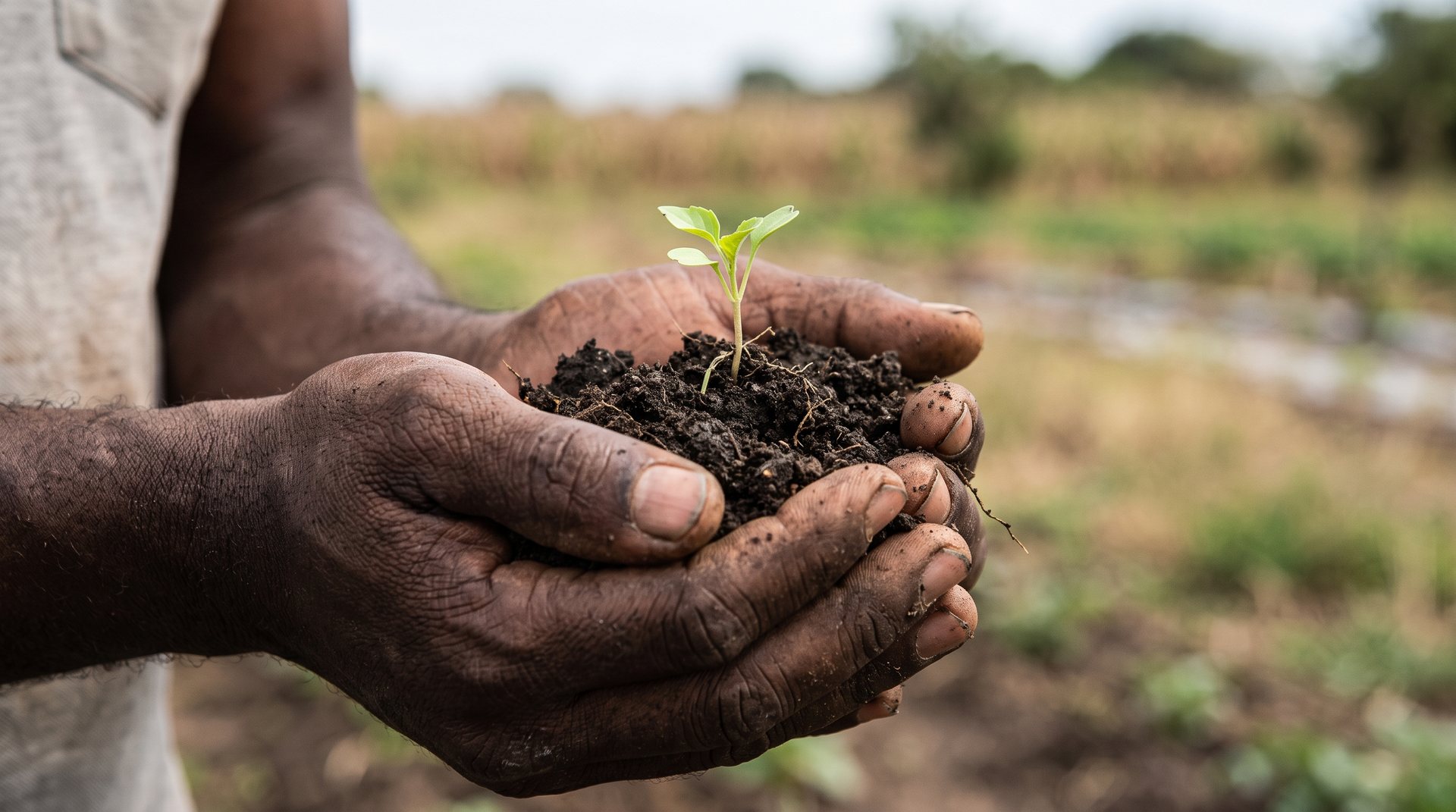
Even farmers who avoid outright discrimination in lending face a separate, quieter threat: heirs’ property. When land passes down without a will, ownership splits among descendants without a clear title, and any single heir, or an outside buyer who tracks one down, can force a sale of the entire property through partition action. This legal mechanism, largely a relic of Reconstruction era distrust of Black land ownership and lack of access to estate lawyers, continues to strip Black families of inherited farmland today, often for a fraction of its actual value.
What Actual Justice Would Require
Cash settlements decades after the fact are not justice, they are damage control. Real repair would mean funding heirs’ property legal clinics at the scale of the problem, streamlining the discrimination assistance program so farmers do not need a lawyer just to file a claim, and creating a genuine fast track for USDA loan decisions so a new generation of Black farmers is not driven out before their applications are even reviewed. Land is not a liquid asset that can be replaced with a check. Every year a farm sits in legal limbo or a claim sits in a processing backlog is a year closer to that land leaving Black ownership permanently. The federal government has now admitted, on paper, three separate times that it wronged Black farmers. It is long past time the remedy moved as fast as the harm did.