
The Quick Version
- 2026 marks 100 years since Carter G. Woodson launched Negro History Week in February 1926.
- ASALH’s centennial theme is ‘A Century of Black History Commemorations,’ focused on why we mark history at all.
- Treat it as a year-long occasion, not just a February one; plan learning and family-history work across 2026.
- Support the source: ASALH still sets the annual theme and offers resources worth using.
In 2026, Black History Month reaches a milestone that is easy to say and worth sitting with: it has been 100 years since the first observance. The centennial is not just a round number. It is a prompt to think about why a people commemorate their own history in the first place—and what that habit has changed.
Where it started
The historian Carter G. Woodson and the Association for the Study of Negro Life and History, which he co-founded in 1915, launched the first Negro History Week in February 1926. Woodson chose February to align with the birthdays of Abraham Lincoln and Frederick Douglass. The week grew into a month, and in 1986 Congress designated February as National Black History Month through Public Law 99-244.
That organization still exists today as the Association for the Study of African American Life and History (ASALH), and it still sets the official annual theme.
The 2026 theme
For the centennial, ASALH chose the theme “A Century of Black History Commemorations.” It is a deliberately reflective choice. Instead of spotlighting one field or figure, it asks people to consider the act of commemoration itself—the parades, programs, museums, and family gatherings that have carried Black history forward for a hundred years.
Woodson’s original goal is worth remembering: he wanted Black history taught so thoroughly and year-round that a dedicated week would eventually be unnecessary. The centennial is a good moment to measure how far that idea has and has not come.
How to observe the centennial well
Treat it as a year, not a month
The most useful thing you can do with the centennial is refuse to compress it into February. Pick a theme for the year—a region, an era, a movement—and read into it steadily. Depth beats a scramble of hashtags every time.
Do your own family history
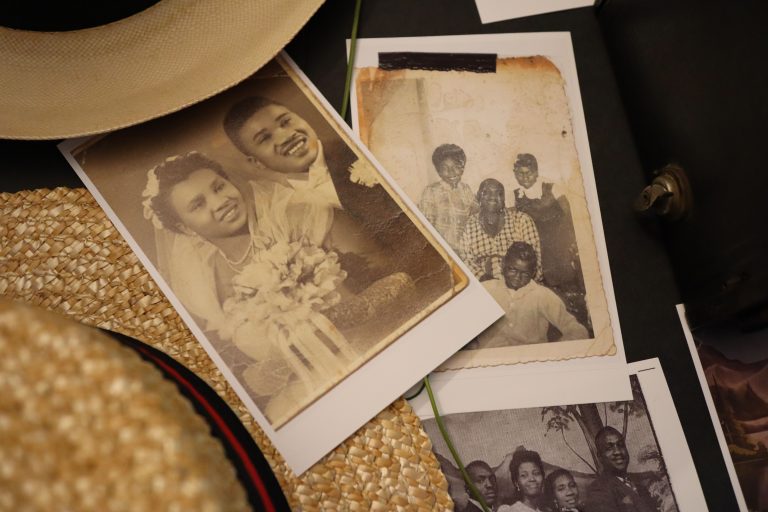
Commemoration is not only national. Interview your oldest relatives, record the conversations, label old photographs, and write down the names before they are lost. A century of public commemoration rests on countless private acts of remembering like these.
Go to the source
ASALH, the organization Woodson built, still publishes resources, hosts programming, and anchors the observance each year. You can find its themes and materials at ASALH.org and support the group that has kept this tradition alive for a hundred years.
For more on cultural milestones and traditions, browse our Culture (Heritage & Lifestyle) section.
The centennial’s quiet demand is this: history stays alive only when people keep choosing to teach and tell it. A hundred years in, that work still belongs to all of us—not just in February, but in how we spend the whole year.