

The Quick Version
- Fewer than two dozen Black owned banks operate in the United States today, but every dollar deposited in one tends to circulate through Black neighborhoods far longer than a dollar deposited at a national megabank.
- Switching your checking or savings account usually takes less than 30 minutes online, and most Black owned banks now offer mobile deposit, direct deposit setup, and fee free ATM access through shared branching networks.
Talk of the racial wealth gap tends to focus on big, slow moving forces: housing policy, inheritance, hiring discrimination. But one of the more direct levers individual families can pull sits in their own wallet. Where you keep your checking account, and where that bank chooses to lend, shapes whether money stays and grows in Black communities or leaves them the moment it is deposited.
Why Where You Bank Actually Matters
Black owned banks are chartered and majority controlled by Black leadership, and most operate under a mission that includes lending back into the neighborhoods they serve. Institutions like OneUnited Bank, Citizens Trust Bank, Broadway Federal Bank, and Carver Federal Savings have spent decades approving mortgages and small business loans in communities that larger banks have historically underserved or redlined outright. Every one of them is FDIC insured, meaning deposits up to $250,000 per depositor are protected exactly the same way they would be at any major national bank.
The math behind the “bank Black” movement is simple. Studies on community reinvestment have long shown that dollars kept circulating within a community, through local hiring, local lending, and local spending, generate more economic activity than dollars that immediately flow out to shareholders and branches elsewhere. A checking account will not fix the wealth gap on its own, but collectively, deposits are the raw fuel these banks use to approve more loans.

What’s New Heading Into 2026
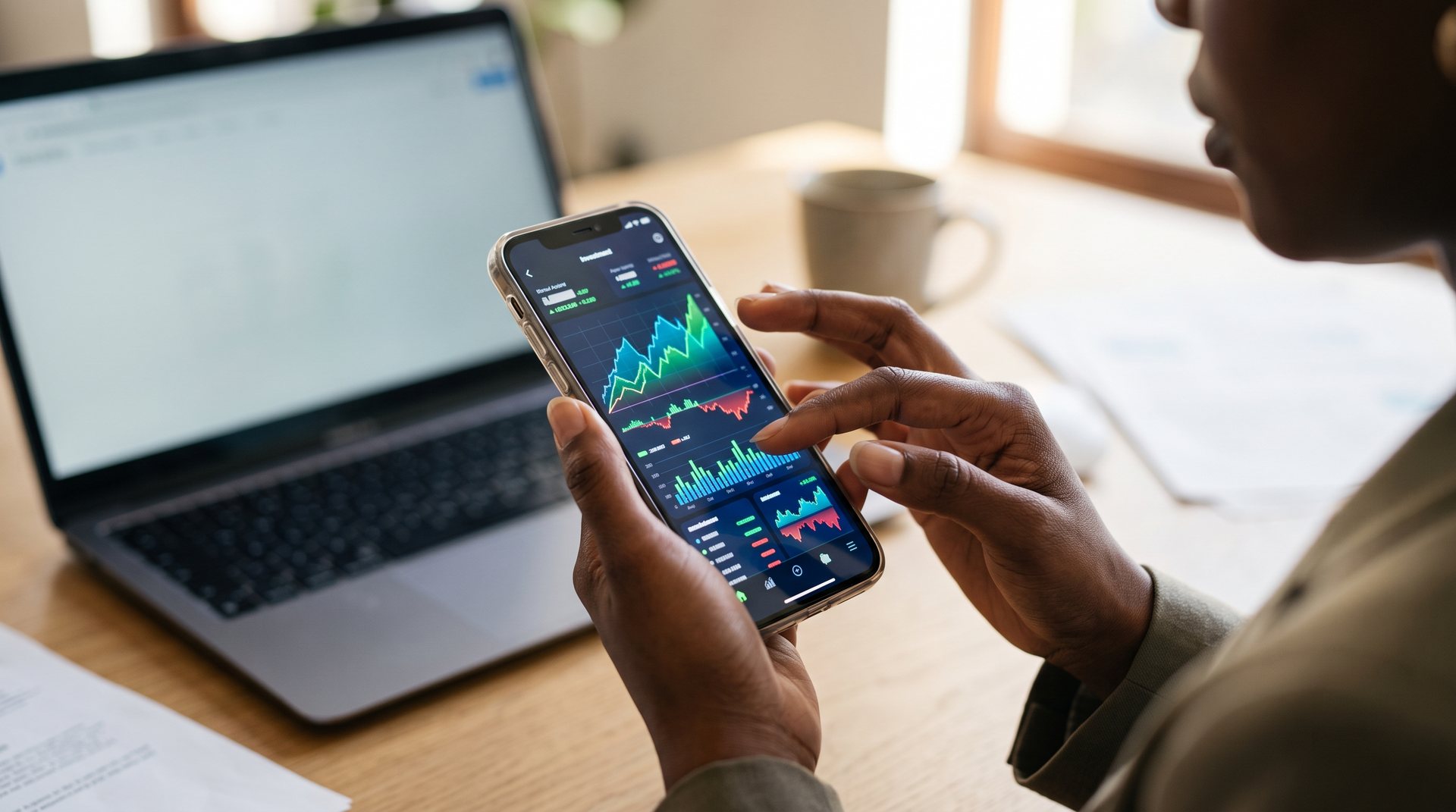
The biggest shift in the last few years is that Black owned banking no longer requires a physical branch nearby. Fintech partnerships have let smaller institutions offer the same mobile deposit, bill pay, and budgeting tools that national banks spent billions building. OneUnited’s app, for example, lets customers open an account, deposit checks, and manage savings goals entirely from a phone, and several Black owned banks now participate in shared ATM networks like Allpoint, which erases the old complaint that switching meant losing access to free withdrawals.
Digital first partners are widening the pool
Beyond traditional chartered banks, platforms built specifically to route deposits and card spending toward Black owned financial institutions have expanded their partner networks heading into 2026, giving customers more options if there is not a Black owned bank chartered in their state.
How to Move Your Money Without the Headache
Step 1: Pick a bank and confirm FDIC coverage
Use the FDIC’s free BankFind tool to confirm any institution you are considering is federally insured before you open an account.
Step 2: Open the account online
Most Black owned banks now support fully digital applications. Have your driver’s license, Social Security number, and an initial deposit amount ready, often as little as $25.
Step 3: Redirect your direct deposit
Ask your employer’s payroll department for a direct deposit change form, or update it yourself through your employer’s HR portal, using the new account and routing numbers.
Step 4: Move recurring payments before closing anything
List every subscription, utility, and loan payment tied to your old account and update each one individually. Keep the old account open with a small balance for 60 to 90 days to catch anything you missed.
Where to Start Your Search
The National Bankers Association maintains a member directory of Black owned and minority owned banks across the country, organized by state, and is the fastest way to find one that serves your area or offers full nationwide digital banking. It costs nothing to look, and for many families it is one of the more concrete ways to put a dollar figure behind supporting Black economic growth.