
The Quick Version
- GLP-1 medications like Ozempic, Wegovy, and Mounjaro are reshaping type 2 diabetes treatment, but cost and access remain a real barrier in many Black communities.
- Type 2 diabetes affects Black adults at nearly double the rate of white adults, and prevention through screening and lifestyle change still matters even as new drugs arrive.
A new class of medications built around GLP-1 receptor agonists, the same drug family behind Ozempic, Wegovy, and Mounjaro, has moved from weight loss headlines into everyday diabetes care over the past two years. For Black patients living with or at risk for type 2 diabetes, that shift brings real promise alongside real questions about who can actually get and afford these drugs.
Why Type 2 Diabetes Hits Black Communities Harder
According to the Centers for Disease Control and Prevention, Black adults are diagnosed with type 2 diabetes at nearly double the rate of white adults, and they are more likely to experience complications like kidney disease, vision loss, and lower limb amputation. Researchers point to a mix of factors behind that gap, including unequal access to primary care, higher rates of uninsurance, food environments with limited access to fresh produce, and the chronic stress associated with systemic racism, which has documented effects on blood sugar regulation.
None of that means individual choices do not matter. It means the starting line is not level, and prevention and treatment strategies need to account for that reality rather than treat diabetes as purely a personal failing.
What GLP-1 Medications Actually Do
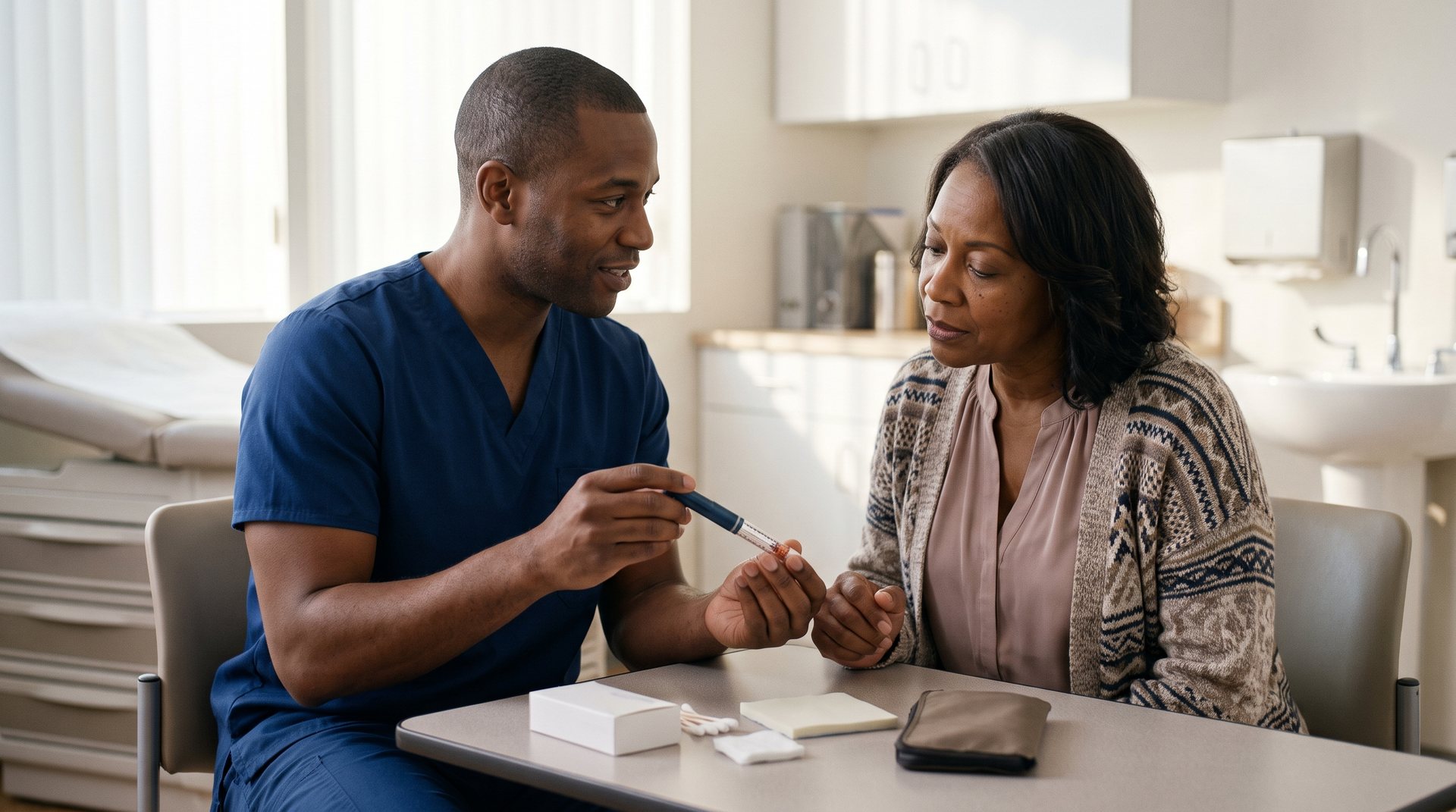
GLP-1 receptor agonists work by mimicking a hormone the gut naturally produces after eating. They help the pancreas release insulin when blood sugar is high, slow digestion so people feel full longer, and reduce the amount of sugar the liver releases into the bloodstream. For people with type 2 diabetes, that combination can lower blood sugar significantly and, for many, produce meaningful weight loss as a secondary benefit.
The American Diabetes Association now lists GLP-1 medications, alongside a newer dual acting drug class called GIP/GLP-1 agonists, as a preferred option for many adults with type 2 diabetes, particularly those who also have heart disease or obesity. That is a significant shift from a decade ago, when metformin alone was the default first step for most patients.
The Access Problem
The catch is cost. Without insurance coverage, these medications can run more than 900 dollars a month, and many insurance plans still limit coverage to patients who meet strict criteria or have already tried other treatments first. A 2025 KFF analysis found that Black patients are less likely than white patients to be prescribed GLP-1 drugs even when their clinical profiles are similar, a gap researchers linked to differences in insurance type, provider bias, and which patients get offered the newer medications in the first place.
If your doctor has not brought up GLP-1 options and you have type 2 diabetes or prediabetes with other risk factors, it is worth asking directly whether you are a candidate. Manufacturer savings programs, patient assistance programs, and community health centers can sometimes bring the cost down substantially for people who qualify.
Prevention and Everyday Management Still Matter Most
New medications are not a replacement for the basics that keep blood sugar in range for most people: regular movement, a diet built around whole foods, consistent sleep, and routine screening. The CDC’s National Diabetes Prevention Program, offered through many community health centers, YMCAs, and churches, is a free or low cost, evidence based lifestyle change program shown to cut the risk of developing type 2 diabetes nearly in half among people with prediabetes.
What to Ask Your Doctor
- What is my current A1C, and what does it mean for my risk level?
- Am I a candidate for a GLP-1 or GIP/GLP-1 medication, and what would it cost with my insurance?
- Is there a diabetes prevention program or diabetes educator I can be referred to?
Where to Get Screened
Type 2 diabetes often develops silently for years before symptoms appear, which is why screening matters as much as treatment. The American Diabetes Association recommends adults begin regular blood sugar screening at age 35, or earlier for people who are overweight or have a family history of diabetes. Federally qualified health centers offer screening on a sliding fee scale regardless of insurance status, and many local health departments run free screening events, particularly during American Diabetes Month each November.
Talk to your doctor about your personal risk factors and screening schedule. Whether or not a GLP-1 medication ends up being part of your care, catching elevated blood sugar early gives you and your doctor the most options for keeping it in check.