
The Quick Version
- A 2025 federal spending law cut SNAP funding and expanded work requirements, and Black households have been hit harder than most by the resulting benefit losses.
- Redlining era disinvestment still shapes which neighborhoods have a real grocery store today. It is not simply a matter of personal food choices.
- SNAP is still open for enrollment. Do not assume new work requirements automatically disqualify you before you apply.
- Community gardens, mobile markets, and SNAP matching programs at farmers markets can stretch a food budget further right now.
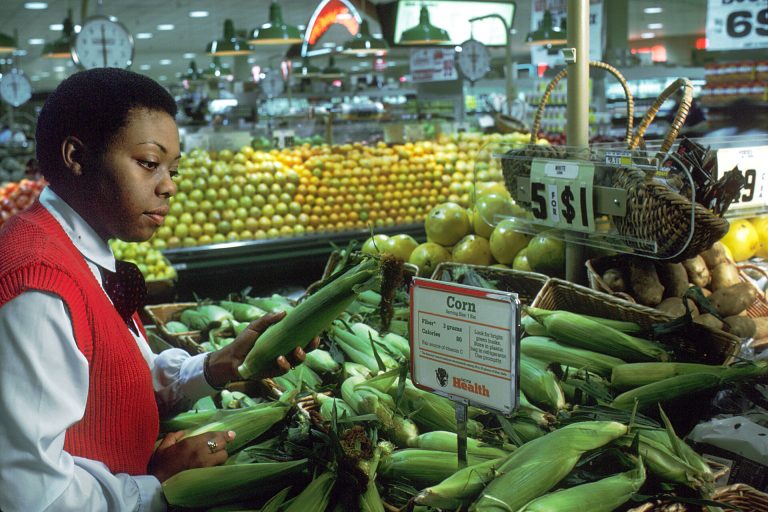
Food deserts have been part of the national conversation for two decades, but 2026 has added new pressure on top of an old problem. Federal food assistance is shrinking at the same time many Black neighborhoods are still living with the legacy of decades of grocery store disinvestment. The result is a squeeze that reporting from outlets including Word In Black has tracked closely this year: households losing benefits at the exact moment they have fewer nearby options to make a shrinking budget stretch.
What Changed With SNAP
The sweeping federal budget law passed in 2025 restructured the Supplemental Nutrition Assistance Program in ways still working through the system this year. Work requirements expanded to cover more adults, including older adults up to 64 and parents of school age children, and states are now on the hook for a larger share of the cost of errors in benefit calculations. Several states have responded by tightening eligibility checks or, in a handful of documented cases, pausing enrollment processing altogether while they adjust. Analyses of the rollout have found that Black households, who are enrolled in SNAP at higher rates due to long standing income and wealth gaps, are absorbing a disproportionate share of the resulting benefit cuts.
If you were told you no longer qualify, or if you have not reapplied because you assumed the new work rules rule you out, it is worth checking directly with your state SNAP office rather than guessing. Exemptions exist for people who are pregnant, caring for young children, dealing with a documented disability, or already working close to the required hours. Local legal aid offices and organizations like the Food Research and Action Center can help sort out whether an exemption applies to your situation.
The Deeper Reason Some Neighborhoods Have No Grocery Store
It is worth saying plainly: food deserts in Black neighborhoods are not an accident of geography. Redlining, the practice of denying investment and mortgages to Black neighborhoods for decades starting in the 1930s, shaped where grocery chains chose to build and where they later chose to close. Research on food access consistently finds that predominantly Black neighborhoods, even ones with solid household incomes, are less likely to have a full service supermarket within walking distance than comparable white neighborhoods. That history matters because it means the fix cannot rest entirely on individual budgeting. It requires investment in the neighborhood itself.
What Is Actually Available Right Now
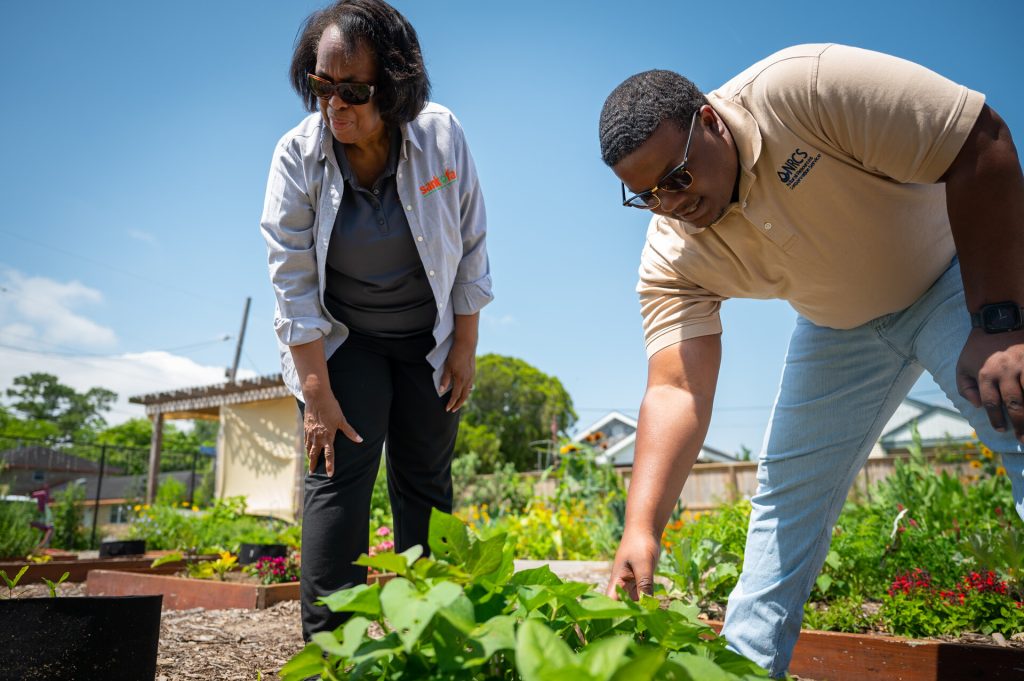
A few resources are worth knowing about even with federal cuts underway. The USDA’s GusNIP program funds Double Up style initiatives in many states that match SNAP dollars spent on fruits and vegetables at participating farmers markets, effectively doubling your produce budget. WIC remains a separate program from SNAP and covers pregnant women, new mothers, and children under five with specific nutrition packages, so losing SNAP eligibility does not affect WIC eligibility. Feeding America’s network of food banks operates in nearly every county and does not require proof of income for a basic food box. And community gardens, including USDA supported People’s Garden sites that have opened in cities like New Orleans, are giving residents in historically underserved neighborhoods a direct source of fresh produce that does not depend on a nearby supermarket at all.
A Note on the Research Behind Nutrition Advice
Much of the standard dietary guidance handed out at doctor visits, built around a particular grocery list of lean proteins, whole grains, and fresh produce, was developed with limited attention to what is actually affordable or available in a given neighborhood, and even less attention to cultural food traditions. Telling a patient to eat more leafy greens and fresh fish means very little if the nearest full grocery store is a bus ride away and the corner store mostly stocks packaged food. Community based nutrition programs that work with what is locally available and culturally familiar tend to see far better results than generic advice handed down without that context.
Next Steps
If your SNAP benefits changed recently, call your state office and ask for a case review before assuming the decision is final. Look up whether a Double Up Food Bucks or GusNIP matching program operates at a farmers market near you through the National Association of Farmers Market Nutrition Programs. Dial 211 to reach a local referral line that can point you toward the nearest food pantry or emergency food box regardless of your SNAP status. And if you have land, even a small plot, contact your local extension office or a group like your city’s People’s Garden network to find out how to get growing space. None of this replaces the need for policy that keeps real grocery stores in Black neighborhoods, but it can help close the gap while that fight continues.