

The Quick Version
- Ready, Set, PrEP, the federal program that gave free HIV prevention medication to uninsured patients, has shut down, so anyone who relied on it needs a new plan now.
- Black Americans account for more than a third of new HIV diagnoses each year but remain far less likely than white patients to be prescribed PrEP.
- Community health centers, Ryan White funded clinics, and drugmaker patient assistance programs can still provide PrEP at low or no cost.
- Ask your doctor for PrEP by name at your next visit. Most people who qualify are simply never offered it.
Every February, National Black HIV/AIDS Awareness Day brings a familiar set of statistics back into view. Black Americans make up roughly 13 percent of the United States population and more than a third of new HIV diagnoses each year. What gets less attention is the flip side of that statistic: Black patients, especially Black women, remain among the least likely to be offered or prescribed PrEP, the daily pill or bimonthly injection that can prevent HIV infection almost entirely when used correctly.
That gap just got harder to close. Ready, Set, PrEP, the federal program launched under the Ending the HIV Epidemic initiative to supply free PrEP medication to uninsured Americans, has ended. For years it was the backstop that let people without insurance walk into a pharmacy and pick up Truvada or Descovy at no cost. Advocacy groups including PrEP4All have pushed for a replacement, but as of now there is no single national program filling that role.
What Actually Works Instead Right Now
The program ending does not mean free or low cost PrEP disappeared entirely. Federally funded community health centers, the kind found in most Black neighborhoods through the Health Resources and Services Administration, still offer PrEP on a sliding fee scale tied to income. Ryan White funded clinics, originally built to serve people living with HIV, in many cities also run prevention programs for people who are HIV negative. Title X family planning clinics frequently prescribe PrEP as part of routine reproductive care.
Drug manufacturers also run their own assistance programs that operate independently of federal funding. Gilead’s Advancing Access program covers Truvada and Descovy for eligible patients regardless of insurance status, and ViiV Healthcare offers similar support for Apretude, the injectable version given every two months instead of a daily pill. Generic versions of oral PrEP have also pushed cash prices down substantially compared to a few years ago, which matters for anyone who falls into a coverage gap while sorting out insurance or program enrollment.
The Research Gap Worth Knowing About
PrEP’s effectiveness is not in question. Taken consistently, it reduces the risk of getting HIV from sex by about 99 percent. But it is worth naming a real limitation in how we got here: the large clinical trials that established PrEP’s safety and dosing enrolled disproportionately few Black women, even though Black women now account for a large and growing share of new diagnoses among women overall. Follow up research and years of real world prescribing since then have not raised safety concerns, but the initial evidence base being thin on Black women specifically is a legitimate gap, and it helps explain why some providers have historically been slower to recommend PrEP to Black female patients than to other groups.
Where the System Still Lets Black Patients Down
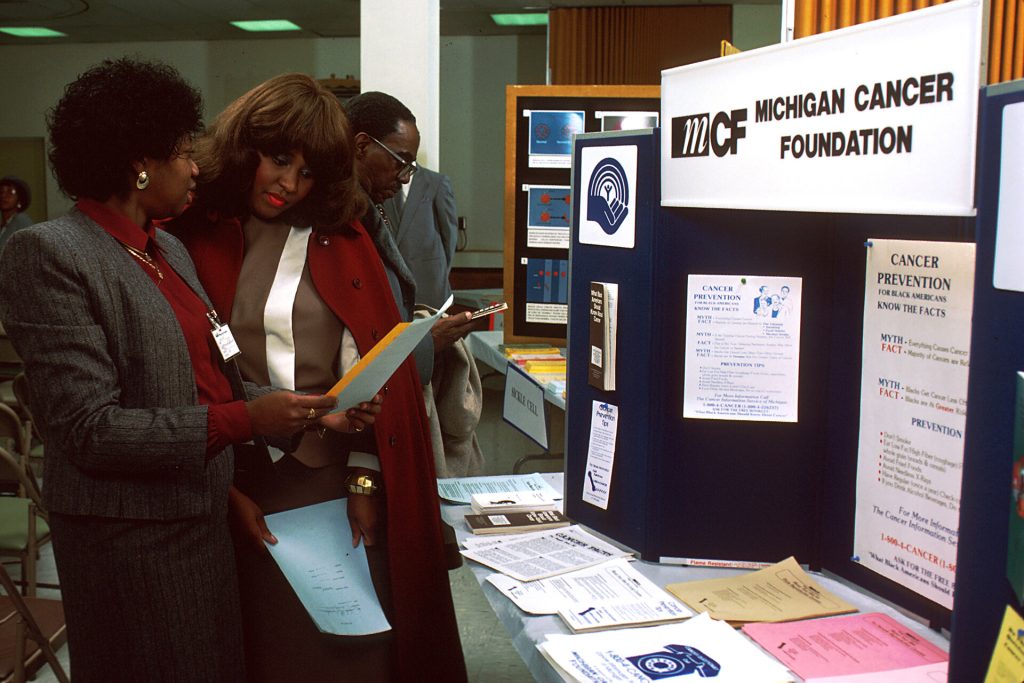
Multiple studies on PrEP prescribing patterns point to the same uncomfortable finding: physicians are less likely to bring up PrEP unprompted with Black patients than with white patients, even when their risk profiles are similar. Part of that comes from providers making assumptions about who is or is not at risk based on race and perceived lifestyle rather than an actual conversation. Part of it is a legacy of medical mistrust that runs in both directions, with some Black patients understandably wary of a system that has a documented history of exploitation and neglect toward Black communities.
The practical takeaway is blunt: do not wait to be asked. If you are sexually active and want to reduce your HIV risk, or if you have a partner whose status you are unsure of, you can request PrEP directly at a primary care visit, an OB GYN visit, or a sexual health clinic. It requires an initial HIV test, a kidney function check, and follow up testing every three months, but the appointment itself is routine and increasingly available through telehealth.
What to Do Next
Start by locating a provider near you through HIV.gov’s clinic locator or by calling your county health department, many of which run their own low cost or free PrEP clinics regardless of what happens with federal programs. If cost is the barrier, ask the clinic directly about manufacturer assistance enrollment before assuming you cannot afford it. And if your regular doctor has never brought up PrEP, that silence is not a signal that you do not need it. Bring it up yourself.